


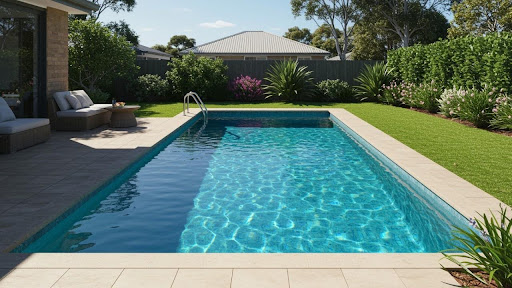
Many pool owners underestimate the financial drain caused by simple evaporation. While a dropping water line might seem like a minor nuisance, it represents a constant loss of expensive treated water, balanced chemicals, and thermal energy. Left unchecked, natural evaporation can cost hundreds of dollars annually in unnecessary utility and maintenance bills. By learning how to properly track daily water loss and implementing proven prevention strategies, you can protect your investment. This guide explores the true financial impact of evaporation and provides actionable steps to stop it, ensuring your swimming pool remains an affordable backyard oasis.
Understanding the Hidden Financial Drain of Evaporation
To truly appreciate the necessity of evaporation control, one must first recognize the sheer volume of resources disappearing into the atmosphere. Evaporation is an invisible thief, silently extracting value from your backyard ecosystem day and night. The financial consequences extend far beyond simply turning on the garden hose to top off the water level; it creates a domino effect of expenses that impact every aspect of your maintenance budget.
How Much Water Are You Actually Losing?
Depending on your geographic location and the current season, a standard outdoor swimming pool can easily lose a quarter of an inch of water every single day. Over the course of a week, that amounts to nearly two inches of water loss. For a typical twenty-thousand-gallon pool, this translates to losing several hundred gallons of water weekly. Replacing this volume using your municipal water supply directly inflates your monthly utility bills. During peak summer months, this continuous refilling process accounts for a significant portion of household water consumption, driving up utility costs substantially.
The Compounding Costs of Chemical Imbalances
The financial impact of replacing the physical water is only half of the equation. When pool water evaporates, it leaves behind all dissolved solids, including calcium and salt, while taking the pure moisture away. However, when you add fresh water to bring the level back up, you are diluting the existing chemical balance. This constant dilution forces you to continually add expensive sanitizers, stabilizers, and pH balancers to restore a safe swimming environment. Furthermore, the concentrated calcium left behind by evaporation can lead to severe scaling on the pool walls and equipment, necessitating costly descaling treatments or premature hardware replacement.
Environmental Factors Accelerating Your Water Loss
Evaporation is fundamentally a process of heat and moisture transfer between the surface of the water and the atmosphere. By analyzing the environmental conditions surrounding your property, you can better predict when water loss will be at its highest and take preemptive action to mitigate the financial damage.
The Role of Temperature and Humidity Levels
The most significant driver of evaporation is the difference in temperature between the pool water and the ambient air. When the water is warm and the night air drops significantly in temperature, the rate of moisture transfer skyrockets. This is why heated pools often experience the most dramatic evaporation rates during the cooler fringe months of the swimming season. Additionally, atmospheric humidity plays a massive role. Dry air acts like a sponge, eagerly absorbing moisture from any available surface. In arid climates with low humidity, baseline evaporation rates are naturally much higher, requiring constant vigilance to keep costs under control.
Wind Exposure and Surface Agitation Effects
Air movement across the surface of the pool strips away the microscopic layer of humid air that forms directly above the water, replacing it with dry air and accelerating the extraction of moisture. Pools situated in open, windy areas suffer from significantly higher evaporation rates than those protected by fences or dense landscaping. Furthermore, artificial surface agitation acts exactly like wind. Water features such as fountains, sheer descents, and aggressively aimed return jets increase the total surface area of the water exposed to the air. While these features add aesthetic value, they act as massive evaporation engines that quietly drain your finances.
Accurate Methods for Tracking Daily Evaporation Rates
Before you can implement strategies to save money, you must establish a baseline. It is entirely possible to mistake a structural plumbing leak for natural evaporation, leading to thousands of dollars in wasted water and potential property damage. Accurate tracking is the only way to differentiate between the two issues.
Conducting the Bucket Test for Leak Detection
The most reliable and cost-effective method for diagnosing your water loss is the traditional bucket test. Fill a heavy plastic bucket with pool water and place it on the second step of your pool, ensuring it is partially submerged to maintain the same temperature as the surrounding water. Mark the water level inside the bucket and the pool water level outside the bucket. Turn off all pumps and water features, then wait exactly twenty-four hours. If the pool water level drops significantly more than the water inside the controlled bucket, you are dealing with a leak. If both levels drop equally, you are facing standard evaporation.
Utilizing Smart Monitors for Continuous Tracking
For pool owners who prefer precision data, modern technology offers sophisticated solutions. Digital water level monitors can be installed directly into the skimmer housing or left to float on the surface. These smart devices continuously track the water depth and sync the data to a smartphone application. By logging historical data, these monitors can alert you immediately if the rate of water loss suddenly spikes above your seasonal average. This continuous tracking removes the guesswork from maintenance and provides peace of mind that your financial investment is secure.
Effective Strategies to Stop Evaporation and Save Money
Once you have confirmed that your water loss is due to atmospheric conditions rather than a leak, you can deploy targeted strategies to halt the evaporation process. The most effective methods focus on creating a physical separation between the warm water and the dry air above it.
Deploying Physical Barriers for Immediate Results
The single most powerful tool in your arsenal against water loss is a high-quality surface cover. Placing a physical barrier directly on the water effectively traps the moisture, reducing evaporation by up to ninety-five percent. Solar bubble covers are exceptionally popular because they not only stop moisture loss but also capture the sun’s radiant energy to provide free heating. For those who find manual covers cumbersome, liquid covers offer a convenient alternative. These specialized chemical additives create a microscopic, one-molecule-thick layer across the surface that acts as a transparent shield, significantly lowering the rate at which water turns to vapor.
Optimizing Circulation and Maintenance Routines
Altering how and when you maintain your pool can also yield surprising financial savings. Since surface agitation accelerates evaporation, limiting unnecessary water movement is crucial. Running the main circulation pump during the cooler nighttime hours instead of the hot afternoon can slightly decrease the evaporation rate. Furthermore, managing how you clean the pool makes a noticeable difference. Utilizing an independent, self-contained unit such as an Aiper cordless robotic pool cleaner allows you to maintain a pristine environment without running large booster pumps that agitate the surface water. By keeping the water surface calm while still removing debris, you minimize the exposed area and keep your valuable heated water exactly where it belongs.
Conclusion
The financial impact of evaporation is a quiet but substantial burden on pool owners. Gallon by gallon, unmanaged water loss drains your budget through inflated utility bills, constant chemical replacement, and wasted thermal energy. However, this recurring expense is entirely manageable with the right approach.
By diligently tracking your water levels to rule out structural leaks and understanding the environmental factors that drive moisture transfer, you can take decisive action. Implementing simple, proven strategies, primarily utilizing physical surface barriers and optimizing your daily maintenance routines, will drastically reduce water loss. Taking these proactive steps ensures that your money stays in your wallet and your pool remains a source of joy rather than an escalating financial liability.