


Understanding Runner’s Knee Before It Worsens
Runner’s knee, often referred to as patellofemoral pain syndrome, is one of the most common overuse conditions among runners, walkers, and fitness enthusiasts. It typically presents as a dull ache around or behind the kneecap, especially during activities like running, squatting, climbing stairs, or sitting for long periods.
What makes runner’s knee tricky is that it often starts mildly. Many people ignore early signs, assuming it is simple fatigue. However, without early intervention, the discomfort can become persistent and begin affecting everyday movement and training consistency.
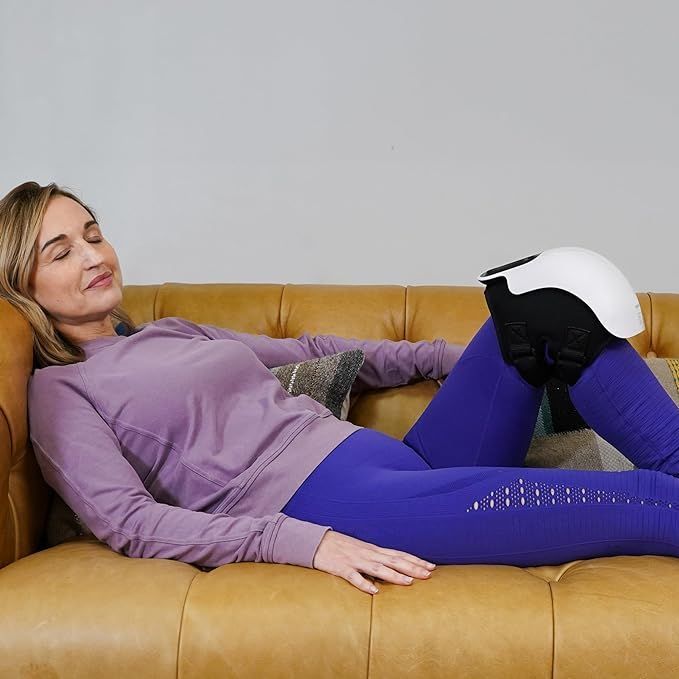
Addressing it early is key. One supportive approach that can help manage early symptoms is a targeted knee massager uk routine designed to reduce tension, improve circulation, and support joint alignment.
What Causes Runner’s Knee to Develop
Runner’s knee is rarely caused by a single issue. Instead, it develops from a combination of factors that place repeated stress on the knee joint.
Common causes include muscle imbalances in the quadriceps, weak hip stabilizers, tight hamstrings or calves, and improper running form. Overuse from sudden increases in training volume or intensity is another major contributor.
When these factors combine, the kneecap does not move smoothly within its groove, leading to irritation in the surrounding tissues. This irritation creates pain and stiffness, especially during repetitive movement.
Why Early Action Matters
Early-stage runner’s knee is highly responsive to conservative care. At this stage, the joint has not yet developed chronic inflammation or structural damage, which means recovery is more manageable.
Ignoring early symptoms can lead to worsening discomfort, reduced mobility, and longer recovery times. By addressing tightness and imbalance early, it is possible to reduce stress on the kneecap and restore smoother movement patterns.
This is where a targeted knee massager routine can support early intervention efforts.
How a Knee Massager Helps With Runner’s Knee
A knee massager works by applying gentle compression, vibration, or heat to the muscles and soft tissues surrounding the knee. While it does not directly “fix” structural alignment, it helps create a more supportive environment for healing and movement.
One of its primary benefits is reducing muscle tightness around the quadriceps, hamstrings, and calves. Tight muscles can pull unevenly on the kneecap, increasing pressure and irritation. By relaxing these areas, a knee massager helps reduce abnormal stress on the joint.
Improved blood circulation is another important benefit. Increased flow helps deliver oxygen and nutrients to irritated tissues while assisting in the removal of metabolic waste that contributes to soreness and inflammation.
Heat therapy, when included, further enhances relaxation by improving tissue elasticity and reducing stiffness, especially after long runs or prolonged sitting.
A Targeted Knee Massager Routine for Early Relief
A structured approach is more effective than random use. A targeted routine helps maximize benefits while avoiding overuse.
Before activity, a short 5–10 minute session at low intensity can help warm up the surrounding muscles. This prepares the quadriceps and calves for movement, reducing sudden strain on the kneecap during running or exercise.
After activity, a longer session of 10–15 minutes can help reduce tightness and support recovery. This post-exercise phase is important for controlling inflammation and preventing stiffness from building up.
On rest days, a gentle maintenance routine can help keep the knee relaxed and mobile. The focus should be on comfort rather than intensity, ensuring the joint remains loose without overstimulation.
Supporting Muscle Balance Around the Knee
Runner’s knee is often linked to muscle imbalance, particularly weak hip and glute muscles combined with tight thigh muscles. While a knee massager cannot strengthen muscles directly, it can support balance by reducing excessive tension in overworked areas.
When the quadriceps and calves are less tight, the knee can track more naturally during movement. This reduces uneven pressure on the kneecap and improves overall joint mechanics.
Pairing massage routines with strengthening exercises creates a more complete approach to managing symptoms and preventing recurrence.
Safe Use During Early Symptoms
When dealing with runner’s knee, moderation is essential. The goal is relief and support, not aggressive treatment.
Sessions should always start with low intensity. The sensation should feel soothing, not painful. If discomfort increases during or after use, intensity or duration should be reduced.
The massager should be applied to the surrounding muscles rather than directly forcing pressure on the kneecap itself. Direct irritation of sensitive areas can worsen symptoms instead of improving them.
Consistency is more important than intensity. Gentle daily or near-daily use often provides better results than occasional heavy use.
Long-Term Benefits of Early Management
Addressing runner’s knee early helps prevent it from becoming a chronic issue. By reducing tightness and supporting healthy movement patterns, a knee massager routine can help maintain training consistency and reduce downtime.
Over time, improved muscle relaxation and circulation contribute to better joint efficiency during running and other activities. This allows individuals to stay active while minimizing discomfort.
When combined with proper footwear, gradual training progression, and strengthening exercises, early care strategies can significantly improve long-term knee health.
Conclusion
Runner’s knee is a common but manageable condition when addressed early. A targeted knee massager routine can play a valuable supportive role by reducing muscle tightness, improving circulation, and enhancing recovery before and after activity.
While it is not a standalone treatment, it works best as part of a broader strategy that includes exercise correction and strength training. With consistent and mindful use, a knee massager can help reduce discomfort, support joint function, and keep runners active without unnecessary setbacks.