


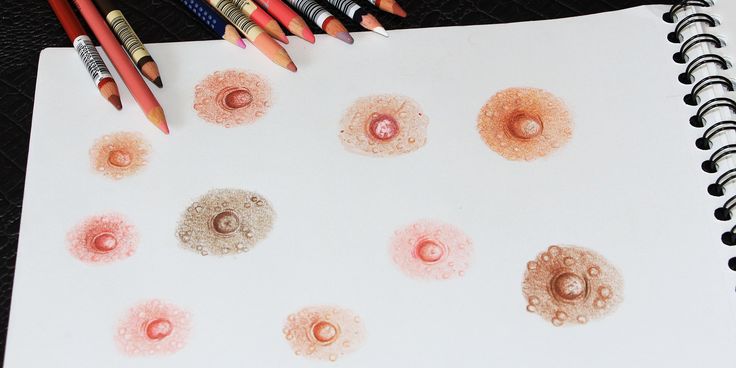
Modern paramedical tattooing has transformed the field of breast restoration by combining artistic talent with medical knowledge to create remarkably lifelike results. Among its most impressive techniques is 3D Areola tattoo in Henderson, a specialized procedure that recreates the appearance of a natural nipple and areola without requiring physical reconstruction. Although the tattoo is applied to completely flat skin, skilled practitioners use carefully layered pigments, highlights, and shadows to create an incredibly convincing three-dimensional illusion.
For individuals who have undergone a mastectomy, breast reconstruction, gender-affirming surgery, or corrective breast procedures, 3D areola tattooing can represent the final stage of their restoration journey. Understanding the artistry behind the procedure helps explain why it has become such an important part of modern reconstructive care.
What Is a 3D Areola Tattoo?
A 3D areola tattoo is a specialized form of paramedical tattooing designed to recreate the visual appearance of a nipple and areola.
Unlike decorative tattoos, the purpose is restorative rather than artistic expression. The tattoo creates a realistic optical illusion using customized pigments and advanced shading techniques while remaining completely flat on the skin.
The procedure is commonly performed after:
- Breast reconstruction
- Mastectomy
- Gender-affirming surgery
- Nipple reconstruction
- Breast reduction
- Corrective breast surgery
Every treatment is personalized according to the patient’s anatomy and aesthetic goals.
The Science Behind the Illusion
The remarkable realism of a 3D areola tattoo is based on how the human eye interprets light and shadow.
Rather than physically raising the skin, practitioners carefully position pigments to imitate the way light naturally interacts with a projecting nipple.
This illusion relies on:
- Highlight placement
- Shadow depth
- Color gradients
- Contrast control
- Perspective
When these elements work together, the brain perceives depth even though the tattooed surface remains flat.
Mastering Light and Shadow
One of the most important artistic techniques is understanding how light behaves.
Medical tattoo artists carefully determine:
- Where natural light would strike
- Where shadows would naturally form
- How colors transition between light and dark
- The overall direction of illumination
Even subtle adjustments in shading can dramatically affect the realism of the finished tattoo.
Personalized Color Matching
Natural-looking results begin with accurate color selection.
Every patient’s skin has unique characteristics, including:
- Skin tone
- Warm or cool undertones
- Existing pigmentation
- Scar tissue
- Healing patterns
Rather than selecting one standard pigment, practitioners often blend several shades together to create realistic color variation.
This customized approach allows the tattoo to blend seamlessly with surrounding skin.
Building Layers for Depth
Creating a realistic areola is not achieved with a single application of pigment.
Instead, artists gradually build the illusion using multiple layers.
These may include:
- Base pigmentation
- Mid-tone blending
- Shadow enhancement
- Highlight detailing
- Fine texture work
Each layer contributes to the overall sense of dimension.
Designing Natural Anatomy
Every areola is unique.
Before beginning the procedure, practitioners carefully plan:
- Diameter
- Shape
- Position
- Symmetry
- Overall proportions
If one natural areola remains, the tattoo is often designed to closely match its appearance.
If both areolas are being recreated, the design is customized according to the patient’s anatomy and preferences.
Working with Scar Tissue
Scar tissue presents unique challenges during restorative tattooing.
Compared with healthy skin, scars may:
- Absorb pigment unevenly
- Display altered texture
- Heal differently
- Reflect light in unusual ways
Experienced paramedical tattoo artists adjust their techniques to compensate for these differences while maintaining realistic depth and balance.
Precision Matters
Every detail contributes to the final result.
Artists carefully control:
- Needle depth
- Pigment placement
- Pressure
- Layering
- Color saturation
Precision ensures that highlights remain soft, shadows appear natural, and transitions blend smoothly.
The Consultation Process
A successful 3D areola tattoo begins long before pigment is applied.
During the consultation, practitioners evaluate:
- Medical history
- Surgical procedures
- Scar maturity
- Skin characteristics
- Personal preferences
- Desired appearance
This planning process allows the treatment to be tailored specifically to the patient’s goals.
Healing and Final Results
Immediately after treatment, the tattoo usually appears darker than its final healed appearance.
As healing progresses:
- Redness decreases.
- Pigments soften.
- Colors blend naturally.
- The illusion becomes more refined.
Healing typically continues over several weeks, and some individuals choose a touch-up appointment to perfect the final result.
Why Experience Makes a Difference
The artistry required for 3D areola tattooing extends beyond traditional tattoo skills.
Experienced practitioners possess knowledge of:
- Breast anatomy
- Color theory
- Optical illusion
- Scar tissue
- Medical tattoo techniques
- Infection prevention
Their ability to combine technical precision with artistic creativity is what produces realistic outcomes.
The Emotional Value of Restoration
Although 3D areola tattooing restores physical appearance, many patients describe emotional benefits as well.
Some individuals report feeling:
- More confident
- More comfortable with their bodies
- More satisfied with reconstruction
- Better able to move forward
Others may choose alternative restorative options or no additional procedures, and every decision deserves equal respect.
Looking Toward the Future
Paramedical tattooing continues to evolve through advances in:
- Pigment technology
- Color-matching techniques
- Tattoo equipment
- Scar camouflage methods
- Practitioner education
These innovations continue to improve the realism, personalization, and longevity of restorative tattooing.
Conclusion
The remarkable realism of 3D areola tattooing is the result of a careful balance between science and artistry. By understanding how light, shadow, color, and perspective work together, skilled paramedical tattoo artists create the convincing illusion of a natural nipple and areola on completely flat skin. Every aspect of the procedure—from customized color matching and detailed shading to scar adaptation and anatomical planning—is tailored to the individual, ensuring results that are both realistic and uniquely personal.
For many people recovering from breast surgery, 3D areola tattooing represents far more than a cosmetic enhancement. It can serve as the final step in breast reconstruction, helping restore a natural appearance and supporting confidence after a life-changing experience. As techniques and technologies continue to advance, the art of the illusion will remain an essential part of modern restorative care, offering patients highly personalized results that reflect both medical expertise and exceptional artistic skill.