


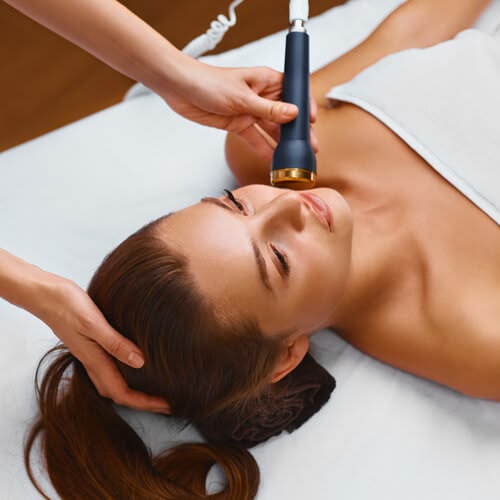
As the demand for non-surgical cosmetic procedures continues to grow, skin tightening treatments have become some of the most popular options for individuals seeking a more youthful appearance without surgery. Among the leading technologies available today are Radiofrequency (RF) treatments and Ultherapy. Both aim to improve skin firmness, stimulate collagen production, and reduce signs of aging, but they work in different ways and may be better suited for different concerns.
If you’re considering a skin tightening procedure, understanding the differences between Radiofrequency and Venus Freeze The Woodlands Ultherapy can help you make a more informed decision.
Why Skin Tightening Matters
As we age, collagen and elastin production naturally decline. These proteins are responsible for maintaining the skin’s structure, elasticity, and firmness. Over time, this decline can lead to:
- Sagging skin
- Fine lines and wrinkles
- Loss of facial definition
- Loose skin around the neck and jawline
- Reduced skin elasticity
Non-surgical skin tightening treatments aim to stimulate collagen production and improve skin firmness without the recovery time associated with surgical procedures.
What Is Radiofrequency (RF) Skin Tightening?
Radiofrequency therapy uses controlled electromagnetic energy to heat the deeper layers of the skin. This heat stimulates fibroblasts, which are responsible for producing collagen and elastin.
How RF Treatments Work
The device delivers thermal energy beneath the skin’s surface while protecting the outer layer. The controlled heating process encourages:
- Collagen remodeling
- New collagen production
- Tissue tightening
- Improved skin texture
Because collagen continues to develop after treatment, results often improve gradually over several months.
Common Treatment Areas
Radiofrequency treatments are commonly used on:
- Face
- Neck
- Jawline
- Abdomen
- Arms
- Thighs
- Knees
The versatility of RF technology makes it suitable for both facial and body treatments.
What Is Ultherapy?
Ultherapy is a non-invasive treatment that uses focused ultrasound energy to target deeper layers of tissue beneath the skin.
Unlike many other skin tightening procedures, Ultherapy can reach the foundational tissue layers often addressed during surgical facelift procedures, without requiring incisions.
How Ultherapy Works
Ultherapy delivers ultrasound energy deep beneath the skin, creating controlled thermal zones that stimulate collagen production.
The treatment uses imaging technology to help providers visualize tissue layers and precisely deliver energy where it is most beneficial.
Common Treatment Areas
Ultherapy is FDA-cleared for:
- Brow lifting
- Chin and jawline tightening
- Neck tightening
- Upper chest (décolletage)
These areas are particularly prone to age-related skin laxity.
Key Differences Between RF and Ultherapy
Depth of Treatment
One of the most significant differences is how deeply the energy penetrates.
Radiofrequency
RF generally targets:
- Superficial to mid-dermal layers
- Skin tissue responsible for texture and firmness
Ultherapy
Ultherapy reaches:
- Deeper connective tissue layers
- Structural support layers beneath the skin
This deeper penetration may provide additional lifting benefits for certain patients.
Treatment Sensation
Radiofrequency
Most patients describe RF treatments as:
- Warm
- Comfortable
- Well-tolerated
Many RF devices incorporate cooling features to enhance comfort.
Ultherapy
Ultherapy may produce:
- Brief sensations of heat
- Tingling
- Mild discomfort during energy delivery
Comfort levels vary depending on the treatment area and individual sensitivity.
Results and Timeline
Radiofrequency Results
Many patients notice:
- Gradual tightening
- Improved skin texture
- Enhanced firmness
Multiple sessions are often recommended for optimal outcomes.
Results typically develop over several weeks to months as collagen production increases.
Ultherapy Results
Ultherapy often requires only one treatment session.
Patients may experience:
- Gradual lifting
- Improved contour definition
- Firmer skin
Results usually continue improving over two to six months as collagen remodeling occurs.
Which Treatment Is Better for Mild Skin Laxity?
For individuals experiencing early signs of aging and mild skin looseness, radiofrequency treatments may be an excellent choice.
RF is often effective for:
- Fine lines
- Mild sagging
- Skin texture concerns
- Preventative anti-aging treatments
Because treatments are generally comfortable and involve minimal downtime, many patients appreciate RF as part of an ongoing skincare strategy.
Which Treatment Is Better for Moderate Skin Laxity?
Ultherapy may be more appropriate for individuals with moderate skin laxity, particularly around:
- Jawline
- Neck
- Chin
- Brow area
The ability to target deeper support structures can make Ultherapy a strong option for those seeking noticeable lifting without surgery.
Downtime and Recovery
Both treatments are considered non-invasive and involve little to no downtime.
After Radiofrequency
Patients may experience:
- Mild redness
- Temporary warmth
- Minimal swelling
Most individuals return to normal activities immediately.
After Ultherapy
Possible side effects include:
- Mild swelling
- Tenderness
- Temporary redness
- Occasional bruising
These effects are usually short-lived.
Combining Treatments
In some cases, providers may recommend combining technologies to maximize results.
For example:
- Ultherapy may address deeper tissue support.
- Radiofrequency may enhance skin texture and surface tightening.
A customized treatment plan can help target multiple aspects of aging simultaneously.
Factors to Consider When Choosing
When deciding between Radiofrequency and Ultherapy, consider:
- Your age
- Degree of skin laxity
- Treatment goals
- Budget
- Tolerance for discomfort
- Desired treatment areas
A consultation with a qualified aesthetic professional can help determine which option best matches your needs.
Conclusion
Both Radiofrequency and Ultherapy are effective non-surgical skin tightening treatments that stimulate collagen production and improve skin firmness. Radiofrequency is often favored for mild skin laxity, texture improvement, and comfortable treatment experiences, while Ultherapy may provide greater lifting benefits for moderate sagging by targeting deeper tissue layers.
The best treatment depends on your individual skin condition, goals, and expectations. By working with an experienced provider, you can develop a personalized approach that helps restore a firmer, smoother, and more youthful appearance without surgery.