


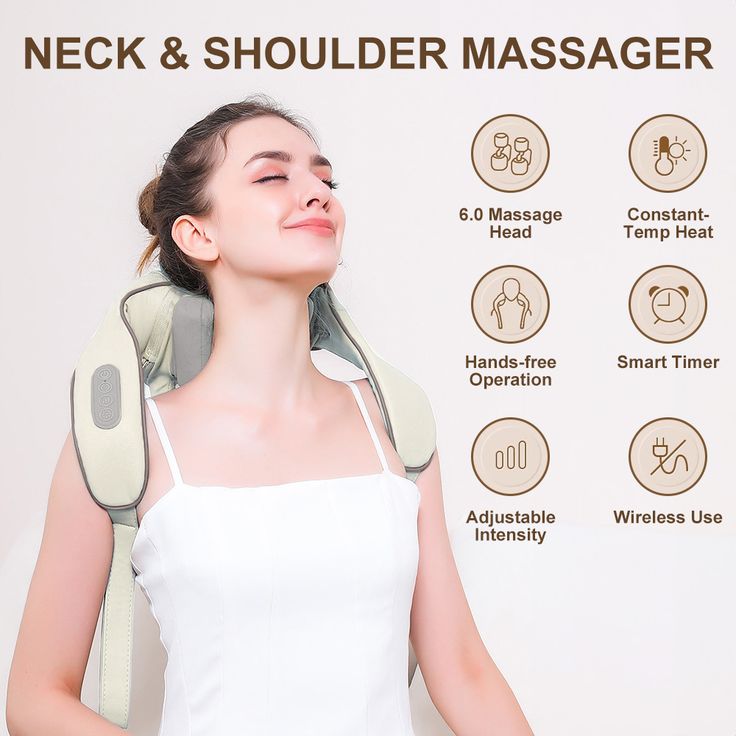
Upper body pain—especially in the neck, shoulders, and upper back—is one of the most common complaints among desk workers, drivers, and anyone who spends long hours in static positions. Two of the most common self-care approaches for relief are manual stretching and the use of a massager. Both have clear benefits, but they work in very different ways.
Understanding how each method affects muscles helps you choose the right approach—or combine both for better long-term results Neck shoulder massager.
Understanding Upper Body Pain
Before comparing solutions, it helps to understand what causes the discomfort in the first place.
Muscle Tightness and Overuse
The trapezius, levator scapulae, and neck stabilizers often become overworked due to:
- Prolonged sitting
- Poor posture
- Stress-related muscle tension
Reduced Circulation
Static positions slow blood flow, leading to stiffness and fatigue in muscle tissue.
Muscle Imbalance
Some muscles become tight while others weaken, creating uneven tension across the upper body.
What Manual Stretching Does
Manual stretching involves actively lengthening muscles using controlled movement.
How It Works
Stretching increases flexibility by gently elongating muscle fibers and improving joint mobility.
Benefits of Manual Stretching
- Improves range of motion
- Reduces stiffness in tight muscles
- Enhances posture awareness
- Can be done anywhere without equipment
Limitations
- Requires correct technique
- May not reach deep muscle knots
- Relief is often temporary without consistency
- Can be difficult when muscles are already very tight
What a Massager Does
A massager uses mechanical pressure, kneading, or vibration to target muscles externally.
How It Works
It applies consistent force to muscle tissue, helping to release tension and improve circulation.
Benefits of Massagers
- Targets deeper muscle layers
- Helps release knots and trigger points
- Provides passive relaxation (no effort required)
- Often includes heat for faster muscle relaxation
Limitations
- Requires a device
- May not improve flexibility as much as stretching
- Effectiveness depends on proper fit and usage
Key Differences Between Stretching and Massagers
1. Active vs. Passive Relief
Stretching:
Active—you control movement and muscle engagement.
Massager:
Passive—you allow the device to work on the muscles.
2. Depth of Muscle Impact
Stretching:
Primarily affects surface and mid-level flexibility.
Massager:
Can reach deeper muscle layers, especially in the trapezius and neck region.
3. Speed of Relief
Stretching:
Gradual relief that improves over time.
Massager:
Often provides faster immediate relaxation, especially for tight knots.
4. Skill Requirement
Stretching:
Requires correct posture and technique.
Massager:
Simple and easy to use with minimal learning curve.
Which Is Better for Upper Body Pain?
The answer depends on the type of pain and the goal of treatment.
For Immediate Relief
Massagers are generally more effective. They help:
- Release tight knots quickly
- Reduce muscle stiffness
- Provide instant relaxation after long sitting
For Long-Term Mobility
Stretching is more effective for:
- Improving flexibility
- Preventing future stiffness
- Supporting posture correction
For Chronic Tension
A combination of both is usually best:
- Massager loosens deep muscle tension
- Stretching maintains flexibility and prevents recurrence
How Massagers Help in Real-Life Scenarios
After Desk Work
A massager can quickly reduce shoulder tightness caused by long hours of sitting.
After Physical Strain
Helps relax overworked muscles and improve recovery.
During Stressful Days
Reduces tension caused by unconscious muscle tightening.
How Stretching Supports Recovery
Morning Routine
Gentle stretches help activate muscles and improve posture for the day.
Midday Reset
Short stretching breaks reduce stiffness buildup.
Evening Relaxation
Helps release residual tension before sleep.
Why Combining Both Works Best
Rather than choosing one, combining stretching and massage often produces the best results.
Step 1: Use a Massager First
This helps relax tight muscles and reduce resistance.
Step 2: Follow With Stretching
Once muscles are warm and loosened, stretching becomes more effective.
Step 3: Maintain Daily Consistency
Small daily habits prevent pain from returning.
Common Mistakes People Make
Relying Only on One Method
Using only stretching or only a massager limits overall improvement.
Overstretching Tight Muscles
Stretching too aggressively can worsen discomfort.
Using Massager Without Movement
Passive relief should be paired with mobility work for best results.
What Experts Typically Recommend
Most physical recovery approaches favor a combined strategy:
- Massage for muscle relaxation
- Stretching for mobility and posture support
This dual approach addresses both symptoms and underlying causes.
Final Thoughts
When comparing massagers and manual stretching, neither is universally “better.” Each plays a different role in upper body pain relief. Massagers provide fast, targeted relaxation for tight muscles, while stretching improves flexibility and long-term posture health.
For most people dealing with modern lifestyle strain, the most effective solution is not choosing one over the other—but using both together in a balanced routine. This combination offers immediate relief, long-term prevention, and better overall muscle health.